Please fill out the form below to request a quote or to request more information about us. please be as detailed as possible in your message, and we will get back to you as soon as possible with a response. we're ready to start working on your new project, contact us now to get started.
Top 5 Must-Have Features in a Small Dog Cat Carrier
2026-09-20
Sanan Pet
47
In the world of pet care, having the right gear is essential for ensuring your furry friends’ comfort and safety. Whether you're traveling, visiting the vet, or simply keeping your pet safe at home, a small dog or cat carrier is an indispensable tool. But with so many options available, how do you choose the best one? The answer lies in focusing on the must-have features that ensure your pet’s comfort, safety, and convenience. Let’s dive into the top five features you need in your small dog or cat carrier.
Why Size Matters in Small Dog and Cat Carriers
Small dog and cat carriers are essential for keeping your pet safe during travel, vet visits, and everyday activities. These carriers are designed to fit in your car, purse, or even your home, making them a practical solution for pet owners. However, the importance of size cannot be overlooked. Just like humans, pets have different sizes and needs, and a one-size-fits-all carrier won’t work for everyone. Choosing the right size and features is crucial to ensure your pet’s comfort, safety, and peace of mind. Whether your pet is a small dog, a medium cat, or a larger breed, there’s a carrier out there that can meet their specific needs.
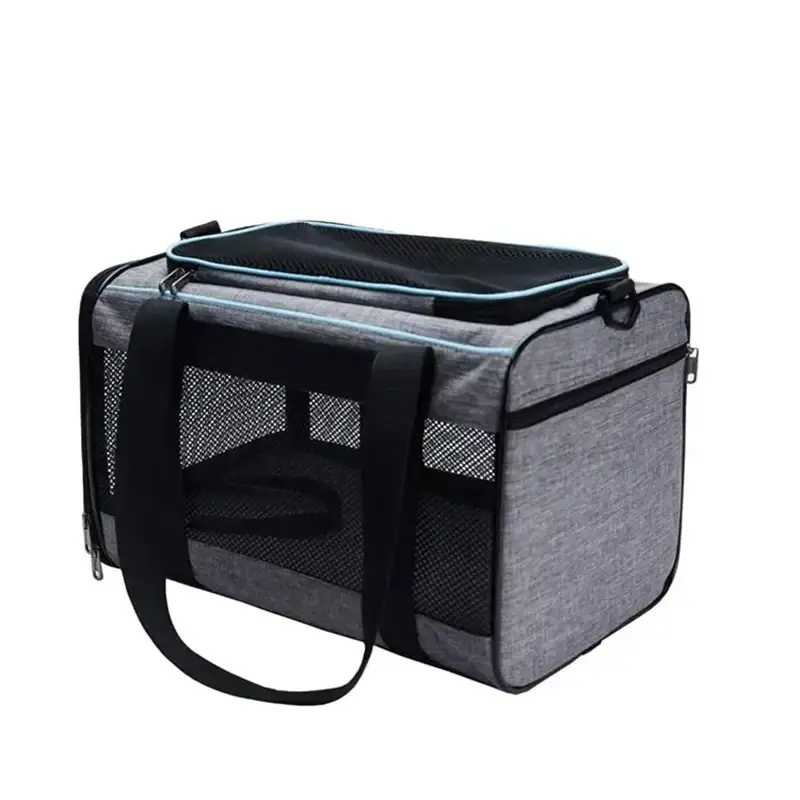
Exploring the Essentials: Comfort and Accessibility
Comfort is the foundation of a good carrier experience. A comfortable carrier ensures that your pet feels safe and secure, reducing stress during travel or vet visits. The padding inside the carrier should be thick enough to provide cushioning, especially for smaller pets or those with joint issues. A well-fitted padding ensures that your pet doesn’t spend too much time in the carrier, which can make them more comfortable. Additionally, the design of the carrier should allow for easy access for both you and your pet. It’s important that your pet can easily load and unload the carrier without any strain or difficulty. A carrier with a sturdy closure mechanism, such as a lever or a pull, will make the process quick and stress-free. Easy access also means that you can quickly check on your pet during travel or when they’re at the vet, giving you peace of mind.
Example: Imagine a small dog with weak legs. A carrier with thick, cushioned padding and a lever-handle closure would be ideal, ensuring the dog can rest comfortably and be easily loaded and unloaded.
Safety Measures: Sturdiness and Fixtures
Safety is paramount when it comes to your pet’s carrier. A sturdy and durable carrier is essential to prevent accidents during travel or vet visits. The frame of the carrier should be made of high-quality materials that can withstand rough handling and unexpected movements. Strong latches and harnesses are also crucial to ensure that your pet is secure and cannot escape the carrier. In addition to sturdiness, the carrier should have anti-tip bases to prevent it from tipping over in case of an accident. These features not only enhance safety but also provide peace of mind for both you and your pet. A carrier that is sturdy and secure will help protect your pet from harm during travels or vet visits, ensuring their safety and well-being.
Example: A carrier with anti-tip bases and a reinforced frame would be ideal for a cat that likes to climb, ensuring the carrier remains stable even when the cat is active inside.
Practical Features: Ventilation and Interior Design
Ventilation is a key feature to consider when choosing a small dog or cat carrier. A carrier that is too tight or not properly ventilated can lead to overheating, especially during long trips or in hot environments. Good ventilation ensures that your pet can breathe freely, preventing heat buildup and maintaining their comfort. The design of the carrier’s interior should also be practical, with an easy-to-cleaning and maintainable fabric. Many carriers come with mesh panels that allow airflow while keeping the carrier compact and tidy. These features make it easier to keep your pet clean and comfortable, which is especially important for small pets who may spend a lot of time in their carrier. A carrier with good ventilation and a well-designed interior will provide the necessary space and comfort for your pet.
Example: A mesh carrier with breathable panels and easy-to-remove covers would be perfect for a small cat that needs to be kept cool on hot days.
Smart Innovations: New Advancements in Small Dog and Cat Carrier Technology
Modern advancements in small dog and cat carrier technology are making these carriers even more functional and safer for pets. Adjustable harnesses are a game-changer for dogs and cats with different sizes and behaviors. A carrier with an adjustable harness ensures a proper fit, providing comfort and reducing stress for your pet. For dogs, an adjustable harness can help distribute weight evenly, preventing discomfort during travel or play. For cats, an adjustable harness can help ensure that they feel secure and comfortable, especially during vet visits. UV-resistant materials are another important feature, as pets with sensitive skin or fur may be prone to sunburn or irritation. A carrier made from UV-resistant materials will protect your pet’s fur and skin from harmful UV rays, especially during sunny days. Additionally, built-in medical aid compartments can be a lifesaver for pets that require medication or need to carry small items, such as a leash or toy. These compartments are designed to be easily accessible and secure, ensuring that your pet can keep their medication or essentials close by without the risk of them falling out. These smart innovations make small dog and cat carriers not only practical but also safer and more convenient for both you and your pet.
Example: A carrier with an adjustable harness and UV-resistant material would be ideal for a dog that requires medication during travel, ensuring both safety and comfort.
Comparison: Understanding the Differences in Materials and Durability
When it comes to materials, durability is a key factor in choosing a small dog or cat carrier. Different materials have different properties, and understanding these can help you choose the best carrier for your needs. Polyester is a popular material for carriers due to its durability and ability to withstand rough handling. However, it may not be as breathable as other materials. Nylon is another durable material that is often used for pet carriers, offering good strength and tear resistance. Mesh materials are lighter and more breathable, making them ideal for pets that require good ventilation. Mesh carriers are also easier to clean, as the mesh panels can be removed for thorough cleaning. Each material has its pros and cons, and the best choice depends on your specific needs. For example, if you have a pet with sensitive skin, a mesh carrier may be better due to its breathability. If you have a more robust pet that requires a sturdier carrier, a nylon or polyester carrier may be more suitable. Understanding the differences in materials and durability will help you choose a carrier that is both safe and practical for your pet.
Example: A mesh carrier with a removable cover would be ideal for a cat that loves to explore and needs good ventilation but also easy cleaning.
Real-World Applications: Case Studies
Real-world applications can provide valuable insights into the features and benefits of small dog and cat carriers. Imagine a pet that suffers from separation anxiety. A carrier with a calming design, such as a soft inner lining or aromatherapy features, can help reduce stress and promote relaxation. This can be especially helpful for pets that have separation anxiety. Another example is a pet that needs a carrier for moving houses. A carrier with a built-in support system or a sturdy frame can help ensure that your pet remains safe during the move, preventing injuries or stress. Additionally, some carriers have features that make them ideal for specific purposes, such as a carrier designed with a mesh lid for easy cleaning or a carrier with a built-in water bottle compartment for keeping your pet hydrated during travel. These real-world applications highlight the importance of considering the unique needs of your pet when choosing a carrier. Whether it’s for stress relief, moving safety, or practicality, there are carriers out there that can meet these specific needs.
Example: A pet that needs to be kept calm during travel could benefit greatly from a carrier with aromatherapy features or a soft inner lining, ensuring comfort and stress relief.
Expert Advice: Tips from Veterinarians and Pet Owners
Veterinarians and pet owners can provide valuable insights into choosing the right small dog or cat carrier. Veterinarians emphasize the importance of considering your pet’s size and behavior when selecting a carrier. They recommend choosing a carrier that fits your pet’s size snugly, ensuring proper breathing and comfort. For pets with specific behaviors, such as separation anxiety or aggression, carriers with calming features or reinforced designs may be more suitable. Pet owners can also provide tips on avoiding common mistakes when selecting carriers. For example, some people may overlook the importance of a secure closure mechanism, leading to accidents during travel. Others may choose carriers that are too small or too large for their pet, resulting in discomfort or stress. By following expert advice and paying attention to your pet’s needs, you can choose a carrier that is both safe and practical for your pet.
Example: A pet owner might share advice on ensuring a secure closure mechanism, such as using a tether line when traveling to prevent the carrier from being accidentally jolted open.
Making the Best Choice
When it comes to choosing a small dog or cat carrier, the right features make all the difference. From comfort and accessibility to safety and practicality, each feature plays a crucial role in ensuring your pet’s safety and well-being. Whether you’re traveling, visiting the vet, or simply wanting to keep your pet safe at home, a well-chosen carrier can make all the difference. By focusing on the must-have features, such as sturdiness, ventilation, and adjustable features, you can select a carrier that fits your pet’s unique needs. Remember to prioritize safety, comfort, and practicality, and take the time to choose a carrier that will provide peace of mind for both you and your pet. With these tips in mind, you can find the perfect small dog or cat carrier to keep your pet safe and happy in any situation.
Table of Contents
GET IN TOUCH WITH Us