Please fill out the form below to request a quote or to request more information about us. please be as detailed as possible in your message, and we will get back to you as soon as possible with a response. we're ready to start working on your new project, contact us now to get started.
Dog Backpack Review: Laundry Safety, Durability, and More
2026-09-18
Sanan Pet
51
Maintaining cleanliness is crucial for both your home and your dog. A dog backpack can help prevent cross-contamination by keeping spills and stains away from your home. Many high-quality dog backpacks are designed with spill-proof inserts and waterproof materials to ensure your dog stays clean and protected. For instance, during a hike, a backpack with a spill-proof insert can prevent mud from spreading inside your vehicle or home.
Regularly cleaning and properly storing the backpack are essential to maintaining hygiene. Here’s a quick guide to cleaning your dog backpack:
1. Spot Cleaning: Use a damp cloth to spot clean any soiled areas.
2. Drying: Hang the backpack in a well-ventilated area to dry completely.
3. Machine Washing: Place the backpack in a mesh laundry bag and wash it on a gentle cycle with cold water.
4. Air Drying: Ensure the backpack is thoroughly dry before storing to prevent mildew.
Durability and Design: Finding a Reliable Option
When choosing a dog backpack, durability is key. Materials like high-quality nylon or polyester ensure long-lasting use, while adjustable features and comfortable designs enhance usability. Popular dog backpacks often include innovative designs, such as built-in heating panels or multiple pockets, catering to different needs.
Consider the following case studies to find the right backpack for your dog:
- Case Study 1: The Ruff Wear Rump Runner Deluxe Harness is highly durable with a padded harness that distributes weight evenly, making it ideal for long hikes. The waterproof design keeps your dog dry and clean.
- Case Study 2: The FreedomK9 M3 Backpack offers multiple compartments, leg straps for additional support, and a removable heating pad. This backpack is versatile and can handle various activities.
Expert advice on selecting the right backpack based on your dog’s size, activity level, and specific requirements ensures you find a product that meets your needs. For example, if you have a small dog with sensitive skin, a backpack with hypoallergenic materials and gentle padding might be more suitable.
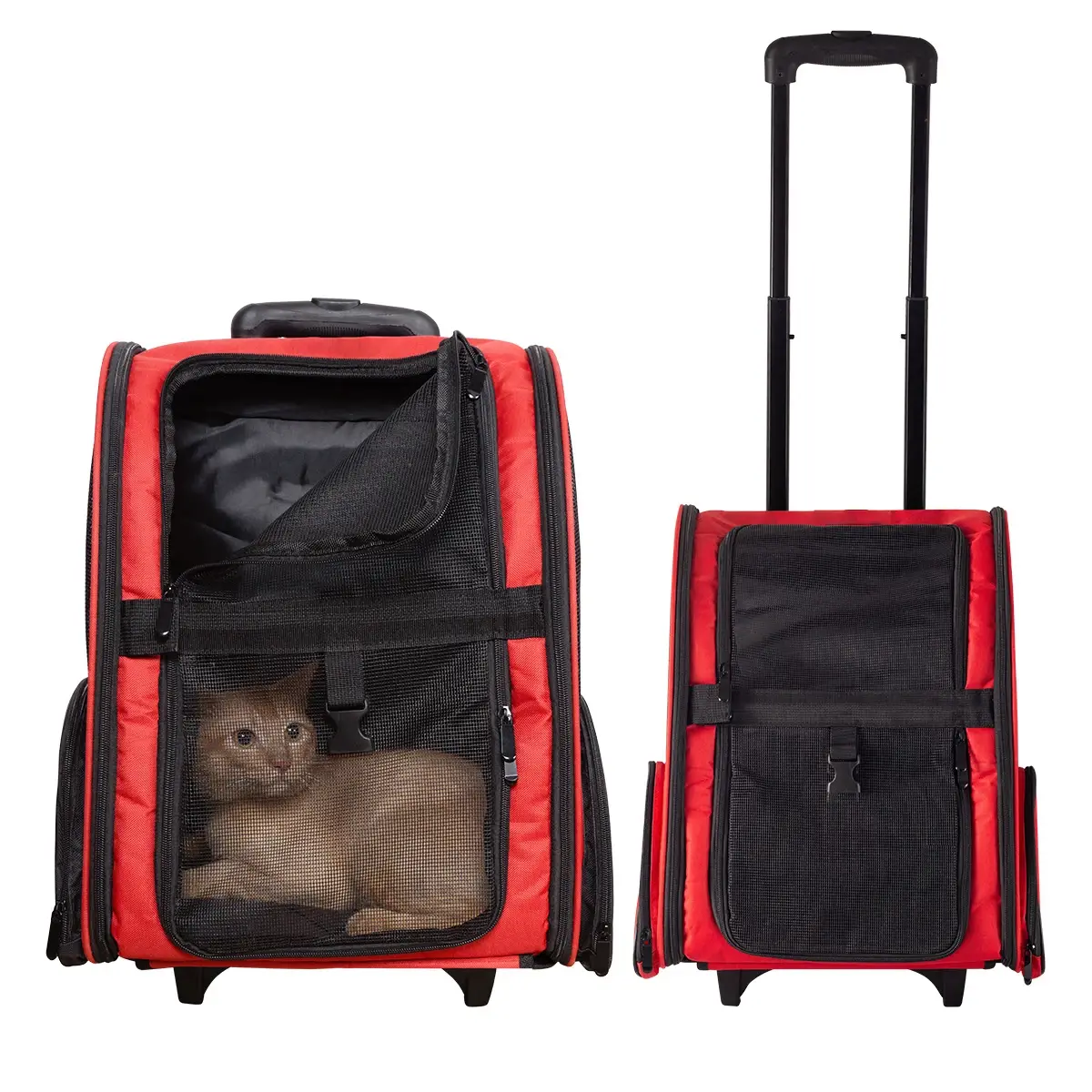
Practical Uses and Applications
Dog backpacks offer versatility, suitable for various scenarios. They are ideal for training sessions, allowing you to carry ribbons, leashes, and treats without multiple bags. During travel, a dog backpack can protect your dog from harmful substances, ensuring a safe journey. Outdoor activities benefit from a backpack's ease of use, such as carrying water bottles, snacks, and camera gear.
Here are some specific scenarios and testimonials to make the content more relatable:
- Scenario 1: Sarah, a regular hiker, shares, The Ruff Wear Snowfelt Rump Runner Pack has kept my dog’s coat dry and clean during every hike, and the additional pockets were perfect for holding water bottles and extra treats.
- Scenario 2: John, a frequent traveler, says, The FreedomK9 M3 Backpack has been a lifesaver on our trips. It’s easy to carry, and the heating pad has kept my dog comfortable during long flights.
Comparison with Other Pet Carriers
While other pet accessories like carriers and leashes serve specific purposes, a dog backpack offers unique advantages. Carriers provide secure containment, while leashes focus on controlling your dog. Dog backpacks combine functionality and comfort, making them a practical choice for various activities.
Here’s a detailed comparison:
- Pros of Dog Backpacks:
- Versatility: Carries multiple items without needing additional bags.
- Comfort: Adjustable and padded designs.
- Hygiene: Waterproof and spill-proof features.
- Cons of Dog Backpacks:
- Bulkiness: May be more cumbersome for short trips.
- Weight: Bulkier straps and compartments can add extra weight.
- Pros of Carriers:
- Containment: Securely holds your dog for long periods.
- Compact: Compact design for easy storage.
- Cons of Carriers:
- Limited Functionality: Fewer compartments for accessories.
- Limited Ventilation: Can be warmer for pets.
Maintenance Tips
Proper care extends the life of a dog backpack. Regular cleaning ensures spills are removed, while drying thoroughly prevents mildew. Inspecting for tears or wear helps maintain functionality. Here’s a step-by-step guide:
1. Spot Cleaning: Use a damp cloth to spot clean any soiled areas.
2. Drying: Hang the backpack in a well-ventilated area to dry completely.
3. Machine Washing: Place the backpack in a mesh laundry bag and wash it on a gentle cycle with cold water.
4. Air Drying: Ensure the backpack is thoroughly dry before storing to prevent mildew.
Visual elements such as photos and diagrams can aid understanding. For instance, a diagram showing the correct way to spot clean a backpack can be incredibly helpful. Regular check-ups, at least once a month, are crucial to ensure the backpack remains in excellent condition.
Final Thoughts
In conclusion, a dog backpack offers numerous benefits, from safety and hygiene to practicality and comfort. By considering durability, design, and maintenance, you can find the perfect backpack for your needs. Real-life examples and expert advice provide valuable insights, ensuring your dog’s adventures are enjoyable and stress-free. Share your experiences in the comments to inspire others.
GET IN TOUCH WITH Us